Indonesia Travel Guide: Everything First-Timers Need to Know
Dolan Editors
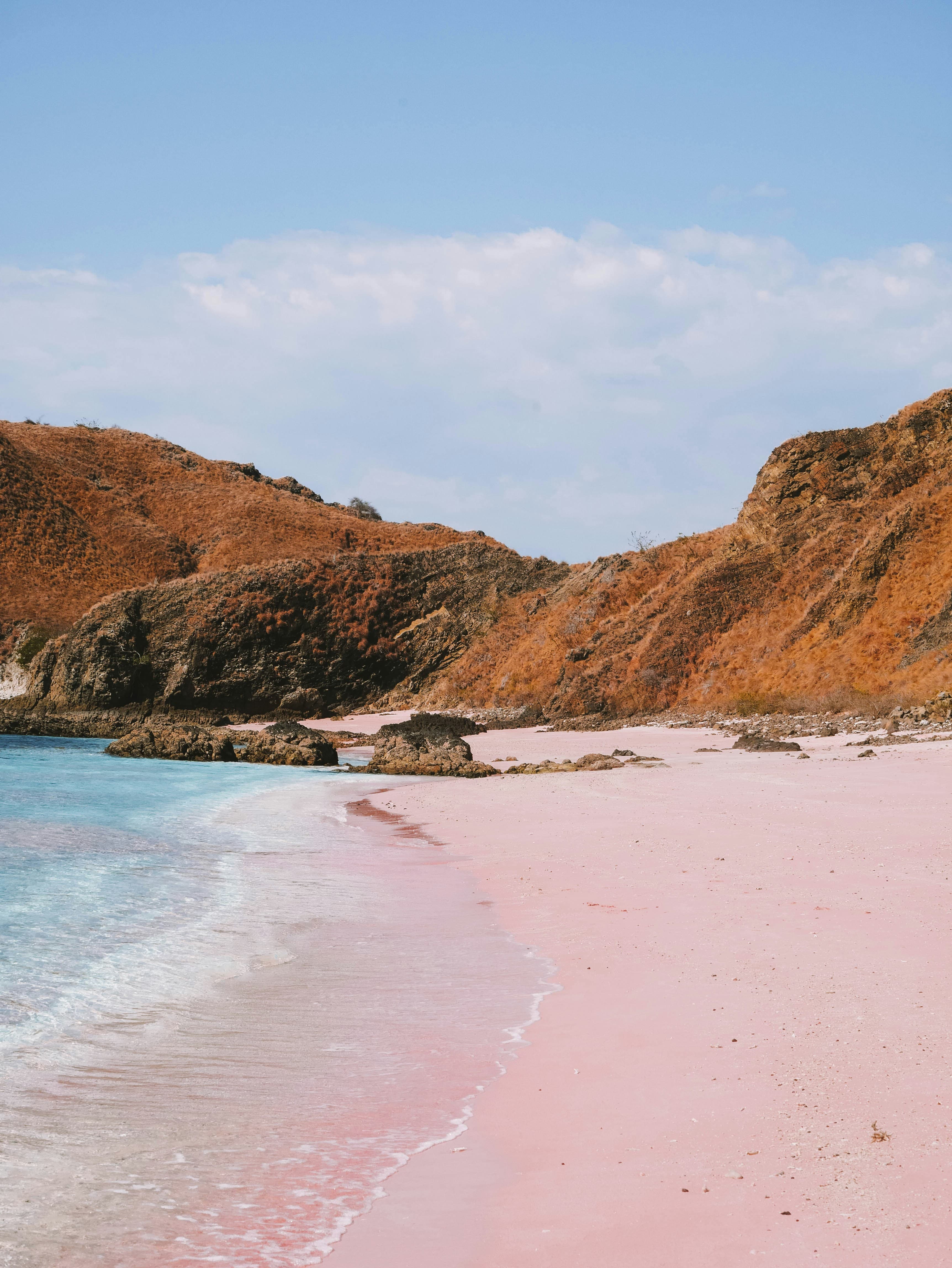
Indonesia isn't just a destination. It's 17,000 islands, hundreds of cultures, and an almost unfair concentration of things that will stop you in your tracks. Here's how to actually plan it.
Most people arrive in Indonesia thinking they're going to Bali. And Bali is wonderful — genuinely. But somewhere between landing at Ngurah Rai airport and watching the sun drop behind Tanah Lot, it hits you: this is barely scratching the surface.
Indonesia is the world's largest archipelago. It stretches across a distance wider than the continental United States. It contains more active volcanoes than any other country, an underwater world that marine biologists call the heart of the Coral Triangle, and cultural traditions so distinct from island to island that a week in Sulawesi feels like a different country from a week in Sumba.
In this guide |
Where to Go: Indonesia's Islands, Honestly
No guide can cover every island — there are too many, and half of them don't have names on most maps. What follows is an honest assessment of the places that reward first-time visitors most, and a few that are worth knowing about even if they're not on your first itinerary.
Bali
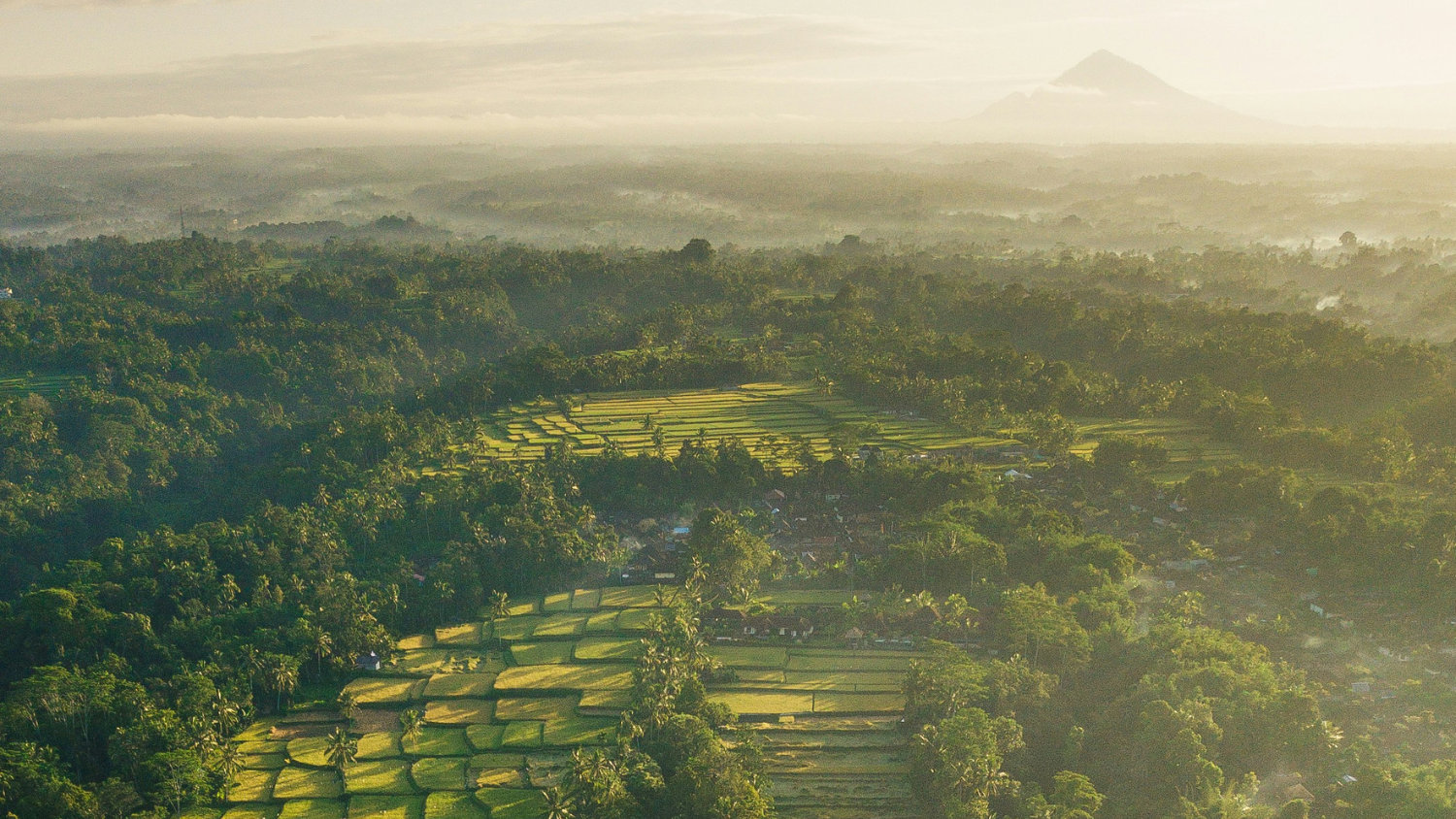
Where most people start — and for good reason — Bali has been written about so many times that it's easy to be cynical about it. Don't be. The rice terraces of Tegallalang are genuinely breathtaking. The temple at Pura Lempuyang, with its iconic split gate framing Agung in the distance, is one of those images that earns its reputation. The food in Seminyak is world-class. And Ubud, if you get away from the main strip, still has corners that feel like a different century. The trick with Bali isn't avoiding it — it's knowing where the quiet is. Sidemen Valley in the east. Amed on the coast. The roads north of Munduk. These places exist; you just have to ask.
Java
Culture, history, and the most underrated food in the archipelago — Java is Indonesia's most populated island and, for many travelers, the most culturally overwhelming — in the best way. Yogyakarta is the epicentre: close to Borobudur (the largest Buddhist temple in the world), Prambanan (the finest Hindu temple complex in Southeast Asia), and surrounded by a creative, arts-obsessed city that stays up late and eats even later. Further east, the volcanic landscape of Bromo-Tengger-Semeru offers some of the most dramatic scenery in Indonesia. And Jakarta, often dismissed as a transit city, has a restaurant scene that rivals Bangkok and a creative neighborhood in Kemang worth an evening.
.png)
Lombok & the Gilis
Bali's quieter neighbor — and arguably better for beaches — Lombok sits just east of Bali and is, in many ways, what Bali's coast used to be. The beaches on the south — Mawun, Selong Belanak, Tanjung Aan — are some of the best in the country and still relatively uncrowded. Rinjani, the volcanic peak that dominates the island's north, is one of the great trekking experiences in Southeast Asia. The Gili Islands (Gili Trawangan, Gili Air, and Gili Meno, just off Lombok's northwest coast) offer a car-free, clock-optional few days that feel like a reward for surviving the journey to get there.
Flores & Komodo
For those willing to go a little further — Flores is the kind of place that travel journalists have been calling 'undiscovered' for twenty years, which means it's been discovered — but only by the people who made the effort to get there. Komodo National Park, accessible by boat from Labuan Bajo on Flores' western tip, is the only place on earth where you can see Komodo dragons in the wild. The diving and snorkeling here is among the best in the world. Kelimutu, further east along Flores, is a dormant volcano with three crater lakes that change color unpredictably — turquoise one season, black the next. You won't find crowds here.
.png)
Sumba
Luxury travel meets living tradition — Indonesia's most surprising island — Sumba doesn't look like the rest of Indonesia. The landscape is drier, more dramatic — closer to the savanna than the jungle. The culture here is Marapu, an animist tradition that pre-dates the arrival of both Islam and Christianity and still shapes daily life across the island. The ikat textiles woven here are among the most extraordinary in the world. And somehow, alongside all of this, Sumba has become home to some of Indonesia's most acclaimed boutique resorts. It is, to put it plainly, one of the most interesting places in the country — and one of the least visited by first-timers.
Sulawesi
For the curious traveler who wants to go deeper — Sulawesi's peculiar orchid-like shape tells you something about the island's character: it doesn't conform. The Toraja highlands in the south are famous for elaborate funeral ceremonies that can last several days and attract the entire community. The diving around Bunaken in the north is world-class. And Makassar in the south is one of those Indonesian cities that rewards the traveler who simply walks around it for a day without a plan.
Indonesia doesn't reward the traveler who tries to see everything. It rewards the one who goes somewhere properly.
What about Raja Ampat?
Raja Ampat, the remote archipelago off the northwest tip of Papua, is frequently cited as the best diving destination on earth. The science backs this up — more fish species have been recorded here than anywhere else in the world. It is extraordinary. But it is also super remote, expensive to reach, and best treated as its own dedicated trip rather than a stop on a first-time itinerary. Put it on the list for your second visit.
Best Time to Visit Indonesia
The short answer: April through October is the dry season and the safest bet for most destinations. But Indonesia is vast, and the weather doesn't move uniformly across it.
Season | When | Best for | Watch out for |
Dry Season | April – October | Bali, Lombok, Komodo, Flores, Sumba, Java — virtually everywhere. Best diving visibility, hiking, and festivals. | Peak crowds and prices in Bali (July–August). Book well ahead. |
Shoulder Season | April, May, September, October | The sweet spot. Good weather, thinner crowds, better rates. Ideal for first-timers. | Some unpredictable rain in transition months, especially on Java. |
Wet Season | November – March | Ubud and inland Bali stay lush and beautiful. Surfing on Bali's west coast peaks. Fewer tourists. | East Indonesia (Flores, Komodo, Raja Ampat) can be inaccessible due to rough seas. Some roads flood. |
Raja Ampat | October – April | Diving is world-class during this window. Manta rays peak in December – February. | Remote and expensive to reach. Plan well in advance. |
If you can only go once and want the best conditions across the broadest range of destinations, aim for May, June, or September. You'll get reliable weather, manageable crowds, and prices that haven't hit the peak-season ceiling.
How Long Should You Spend?
Indonesia punishes the short trip. You can spend a week in Bali and feel like you've barely started. A fortnight gives you room to actually breathe — to spend a few nights somewhere, leave it, and come back differently.
7–10 days: 7–10 days: Bali, well. Or Bali + one day trip to Nusa Penida or Lembongan. Don't try to add Java — you'll spend the trip in transit.
12–14 days: 12–14 days: Bali + Yogyakarta (fly), or Bali + Lombok. This is the sweet spot for first-timers — enough time to go deep without burning out.
3 weeks: 3 weeks: You can now think about a third island. Bali + Flores + Labuan Bajo, or Java + Bali + Lombok. East Indonesia starts to become realistic.
4 weeks+: 4 weeks+: The real Indonesia opens up. Sumba. Sulawesi. A slow boat through the Gilis. The kind of trip people talk about for years.
The biggest mistake first-timers make is trying to cover too many islands in too little time. The distances are bigger than they look on a map, the domestic flight network is reliable but time-consuming, and the best experiences in Indonesia — a dawn hike, a weaving lesson with a local family, a three-hour lunch at a warung — require you to slow down.
Getting There and Getting Around
Flying in
Most international travelers arrive at Ngurah Rai International Airport in Bali (DPS) or Soekarno-Hatta International Airport in Jakarta (CGK). Bali is the better entry point for leisure travel; Jakarta for business or Java-first itineraries. Flights from the US typically connect through Tokyo, Singapore, or Doha. From the UK and Europe, direct and one-stop options via Singapore, Dubai, and Doha are well-served.
Domestic connections
Indonesia's domestic flight network is extensive and reasonably priced, with Garuda Indonesia, Batik Air, and Lion Air covering most major destinations. Book ahead, especially for routes to Flores (Labuan Bajo), Sumba (Tambolaka or Waingapu), and eastern destinations. Budget an extra day on either side of a remote destination — delays happen, and missing a connection in Labuan Bajo has a different consequence than missing one at Heathrow.
On the ground
Gojek and Grab are the standard for getting around bigger cities and towns — reliable, metered, and easy to pay through the app using a credit card. For day trips and rural exploration, hiring a private driver for the day is often the best option: affordable (typically USD 40–70 for a full day), flexible, and you'll frequently get an informal guide in the bargain. Scooter rental is popular in Bali and Lombok for those comfortable on two wheels — road conditions vary significantly, and international driving licenses are legally required.
Essential Logistics at a Glance
Category | What you need to know |
Visa | Most Western passport holders qualify for a 30-day Visa on Arrival (VOA) at major airports, extendable once for another 30 days. US, UK, and EU citizens are included. Always verify current requirements before travel. |
Currency | Indonesian Rupiah (IDR). ATMs are widely available in cities and tourist areas. Carry some cash for markets, warungs, and rural areas. Credit cards accepted in most hotels and restaurants in Bali and major cities. |
Language | Bahasa Indonesia is the official language, spoken across all islands. English is widely understood in Bali, Yogyakarta, Lombok, and tourist-facing businesses. Outside these areas, a few words of Bahasa go a long way. |
Getting Around | Between islands: domestic flights (Garuda, Lion Air, Batik Air) or ferries. Within islands: ride-hailing apps (Gojek, Grab) in cities, private driver hire for day trips, and scooter rental for the adventurous. |
Safety | Indonesia is generally safe for tourists. Use common sense in crowded areas, take licensed transport, and check travel advisories for remote areas. Health: pack a good travel kit, use mosquito repellent, and get travel insurance. |
Budget | Varies enormously. Budget travelers can get by on USD 40–60/day. Mid-range: USD 100–200/day. Luxury experiences in Bali or Sumba can run USD 400+/day. Eastern Indonesia and rural areas are notably cheaper than Bali. |
Time Zones | Indonesia spans three time zones: WIB (West, including Bali & Java, UTC+7), WITA (Central, UTC+8), and WIT (East, including Papua, UTC+9). Plan connections carefully on multi-island trips. |
Traveling Responsibly in Indonesia
Indonesia's tourism economy supports millions of families. How you travel — where you stay, who you hire, what you buy — has a direct and visible impact on the communities you visit. A few principles worth holding onto:
Buy from local vendors, warungs, and markets before hotel gift shops. The money goes directly to families.
Hire local guides. A guide who grew up in Toraja explaining a funeral ceremony is a fundamentally different experience from a pamphlet. It's also fair employment in communities where it matters.
Respect temple etiquette. Cover your shoulders and knees when entering Hindu temples in Bali — sarongs are usually provided at the entrance. Remove shoes where indicated. Watch before you photograph ceremonies.
Ask before you photograph people. Particularly in remote communities and at cultural events. A nod of acknowledgment goes further than a zoom lens.
Be skeptical of orphanage tourism. A well-documented pattern of exploitation in Southeast Asia. If you want to give back, donate to established organizations rather than visiting institutions.
Planning Your Indonesia Trip
Indonesia is one of those destinations where the quality of your trip correlates directly with the quality of your planning — not because it's difficult, but because the best experiences here are the ones that require local knowledge. Knowing that the morning light hits the rice terraces in Sidemen from the east. Knowing which family in Sumba still teaches traditional ikat weaving to visitors. Knowing that the dive operator in Labuan Bajo who actually knows where the manta rays feed in October is not the one with the flashiest website.
Plan your Indonesia trip with Dolan |
Frequently Asked Questions
Do I need a visa to visit Indonesia?
Most Western passport holders (US, UK, EU, Australia, Canada) qualify for a Visa on Arrival (VOA) at major entry points including Bali and Jakarta. The VOA allows a 30-day stay, extendable once for an additional 30 days. Fees apply. Always verify current requirements with the Indonesian embassy or a trusted travel resource before departure, as policies can change.
Is Indonesia safe for tourists?
Yes, Indonesia is generally safe for tourists. The most common issues are petty theft in busy tourist areas and traffic accidents — the latter being a genuine concern if you're renting a scooter without experience. Check government travel advisories for specific regions before departure. Areas near active volcanoes may be subject to travel restrictions based on eruption activity.
What language do they speak in Indonesia?
Bahasa Indonesia is the national language, spoken and understood across all islands. English is widely spoken in Bali, Yogyakarta, and in tourism-facing businesses across the major islands. In rural areas and on smaller islands, a few words of Bahasa Indonesia — terima kasih (thank you), selamat pagi (good morning), tolong (please) — are genuinely appreciated and often delightedly received.
What is the best island to visit in Indonesia for first-timers?
Bali remains the most accessible starting point — good infrastructure, strong English, reliable tourism services, and an extraordinary density of things worth seeing. For first-timers who want to go slightly off the beaten path without sacrificing comfort, Lombok is an excellent alternative or addition. Those with more time should seriously consider Yogyakarta on Java as a second destination — it's the cultural counterweight to Bali's spiritual tourism and rewards curiosity.
How much does a trip to Indonesia cost?
Indonesia can be done on almost any budget. A comfortable mid-range trip — decent guesthouses or boutique hotels, local restaurants with the occasional nicer dinner, guided experiences — typically runs USD 100–200 per day per person. Budget backpacker travel is possible at USD 40–60/day. Luxury travel in Bali and Sumba, with villa stays and private guides, can reach USD 500–1,000+/day. Flights are often the biggest variable — booking well in advance from the US or UK makes a meaningful difference.
When is the best time to visit Bali?
April through October is Bali's dry season and peak travel window. July and August are the busiest and most expensive months — beautiful weather, but expect crowds at the major temples and popular beaches. May, June, and September offer the best combination of good conditions and manageable tourist density. The wet season (November–March) brings daily rain but also lush landscapes, excellent surf on the west coast, and significantly cheaper accommodation.
Dolan Editors
Author
Sharing insights on Indonesian travel, culture, and the communities that make this archipelago extraordinary.